Greensboro has a way of reminding you that nature is always in charge. The Piedmont heat rolls in early, afternoon storms show up uninvited, and that long shoulder season between summer and fall is prime time for every hungry insect within 50 miles. If you’ve ever watched your hydrangeas wilt under lace bug pressure or seen moles carve a figure-eight through a fresh lawn, you know exactly what I mean. Good landscaping in Greensboro isn’t just about curb appeal, it’s about building a yard that stands up to pests without constant crisis management.
I spend a lot of time in local yards, and I’ve learned that a pest-resistant landscape is less about one miracle product and more about a thousand small decisions. Plant selection. Soil prep. Airflow. Water management. Even the height of your mower blade. When they align, pests have fewer reasons to stick around. When they don’t, you feel it, usually fast.
This guide pulls together what works here, what doesn’t, and the trade-offs you’ll face along the way. https://grok.com/share/c2hhcmQtNA%3D%3D_98a33dbc-e6cf-45a4-b3ee-43b7092e4439 Whether you’re handling the work yourself or hiring a crew for landscaping in Greensboro NC, these are the details that make a yard resilient.
Where pests come from and why they stay
Most pest problems in Greensboro start with stress. A plant that’s thirsty, shaded out, overwatered, or planted in the wrong place leaks signals that call in trouble. Lace bugs find water-stressed azaleas. Bagworms love arborvitae that got too dense and windless. Armyworms show up in lawns that were scalped and irrigated right before a warm spell. Once pests arrive, they breed quickly in the humid Piedmont air.
A second piece is habitat. Mulch piled against siding creates a superhighway for ants and roaches. Dense, evergreen hedges around the foundation invite spider mites and scale. Gaps in turf give mole crickets and weeds a foothold, and moles follow where the insects are plentiful. Fix the habitat and you reduce the attraction.
The third piece is timing. Our springs can be abrupt. One week you’re wearing a jacket, the next your crape myrtle is leafing out and aphids are already active. If you miss early-season checks, you can spend the rest of the summer playing catch-up.
Choosing plants that don’t invite problems
You can engineer your way through a lot of pest pressure, but plant selection remains the cheapest defense. In Greensboro, I see predictable patterns.
For shrubs, avoid heavy feeders that hate our summer heat unless you’re committed to microclimate care. Boxwoods, for example, are beautiful but a magnet for boxwood leafminer and blight if airflow and sanitation slip. Azaleas can thrive here, but choose Southern Indica types or proven Encore varieties, and insist on morning sun with afternoon shade and a mulch ring that doesn’t touch the stems. Keep those roots cool, and lace bugs don’t get the upper hand.
There are reliable workhorses. Inkberry holly (Ilex glabra) holds up better than many boxwoods and pairs nicely with ornamental grasses. Distylium has become a favorite for its toughness and lower pest pressure. For foundation settings, dwarf yaupon holly, compact loropetalum, and evergreen autumn fern can handle reflected heat without constant spraying. Among perennials, coneflower, black-eyed Susan, and Salvia ‘Mystic Spires’ draw predators like lady beetles and lacewings that do half your pest work for free.
Grasses and groundcovers carry weight here. If you like ornamental grasses, choose selections that stay upright in summer thunderstorms. Muhlenbergia, switchgrass, and ‘Adagio’ miscanthus are better than floppier varieties that mat down and trap moisture, which invites fungus and slugs. For groundcovers, creeping thyme, ajuga, and mondo grass hold soil, dry quickly after rain, and don’t become slug hotels the way some dense ivies can.
Trees deserve a deliberate look. Bradford pear is an easy no, both for structural failure and for the pest problems that follow cracks and wounds. Crape myrtles do well, but if you’ve seen sooty black leaves and sticky sidewalks, that’s crape myrtle bark scale at work. Choose resistant varieties, prune out crossing wood in winter, and keep them mulched and watered during drought, and you’ll reduce infestations. Oaks and elms provide shade and value, but plan for fall sanitation. Leaf litter left packed around trunks all winter becomes an aphid and fungus incubator.
The local nurseries that serve the best landscaping in Greensboro NC tend to stock cultivars that have proven themselves in our clay and humidity. When in doubt, ask how a plant handles heat and whether it tolerates brief wet feet, since pop-up storms are part of the deal.
Soil and drainage, the quiet pest control
I seldom treat pest outbreaks without first asking how water moves across the property. Soggy beds invite root rot and fungus gnats. Hard, baked clay bounces water and stresses plants, which then call in insects. A yard that drains properly and breathes is less attractive to pests.
Start with the soil. Most Greensboro lots have a clay cap from construction. If you can push a soil knife only an inch or two before hitting resistance, loosen that top layer and mix in organic matter. I like a blend with composted pine fines because it opens clay without getting spongy. Aim for six to eight inches of improved soil in beds. In lawn areas, topdressing after aeration works slowly but permanently. I’d rather see a client invest in two seasons of compost topdressing than a single short-lived chemical fix, because healthier turf outcompetes pests.
Pay attention to grade. Water should roll away from the foundation at a gentle slope. If beds along the house trap water, expect ants, earwigs, and termites to explore the siding. French drains and catch basins help, but often a simple reshaping of beds and a switch to a coarser mulch solves the problem. In tight side yards, river rock bands can keep splash off walls and reduce termite interest better than soggy bark.
Mulch is its own tool. A two-inch layer is usually enough here. Go deeper and you create cool, damp pest condos; go thinner and you lose moisture too quickly in July. Hardwood mulch breaks down steadily and enriches the soil, pine straw sheds water and stays neat on slopes. Keep it pulled back three to four inches from trunks and siding. I’ve found that alone prevents half the ant trails I’m asked to treat.
Airflow and spacing, the overlooked allies
Greensboro humidity turns tight plantings into petri dishes. Give shrubs and perennials room to dry between rains. Buy with mature size in mind, not the cute one-gallon in spring. If you’re working a path or patio border, resist the temptation to pack in extra color. More leaves does not mean fewer weeds; it often means more aphids and fungal spots.
Pruning strategy matters. I favor late winter thinning cuts on shrubs to open the interior and let air move. Hedge trimmers that just shear the surface create a dense outer shell, perfect for mites. With roses, remove about a third of the oldest canes yearly, keep foliage off the ground, and water at the base. You’ll see fewer blackspots and less aphid activity.
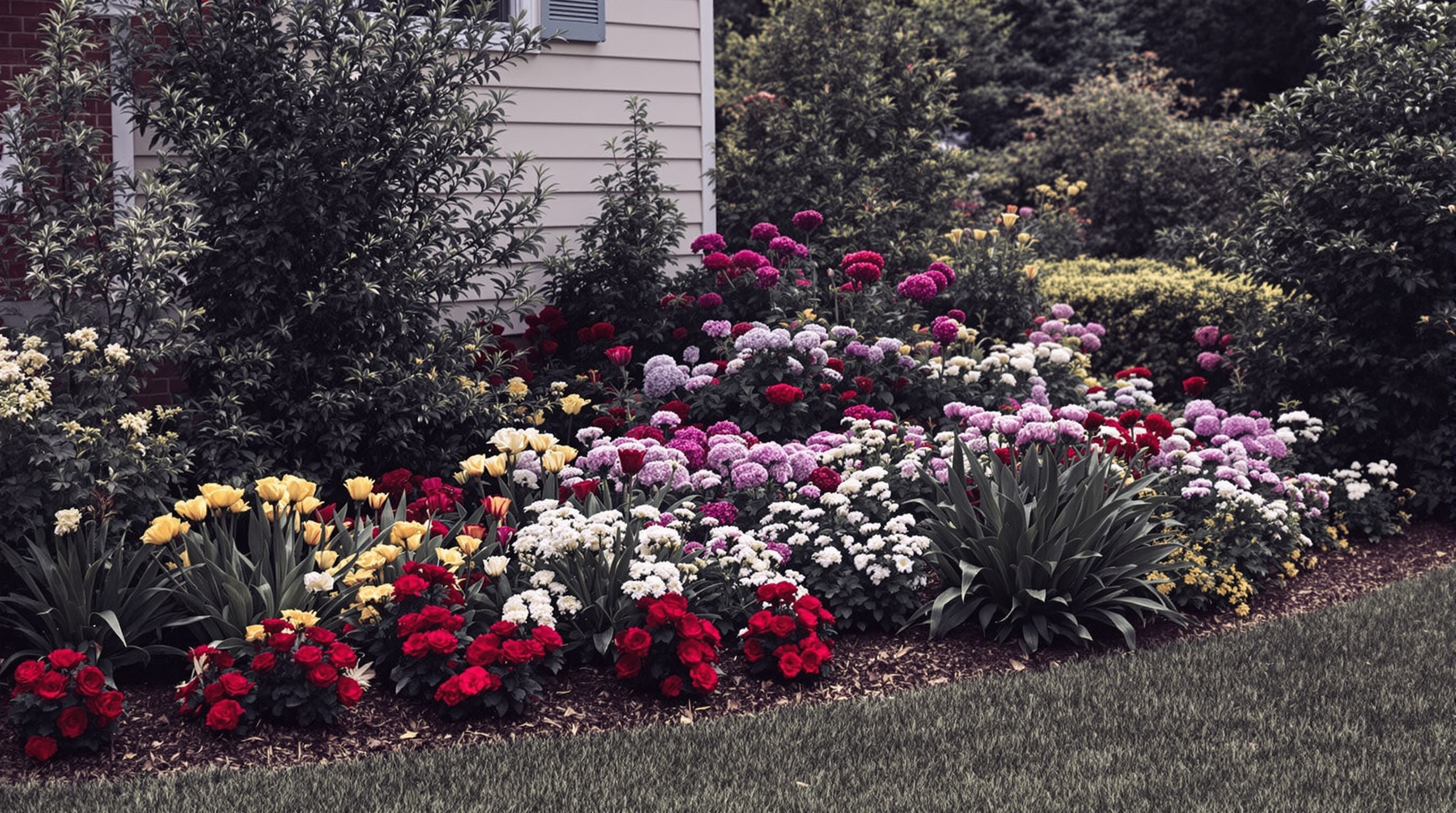
Fences and screens can be windbreaks or wind traps. If you’re planting a privacy run, mix species and stagger them so you don’t build a solid wall. I’ve seen more scale on tightly massed ligustrum fences than on mixed runs of holly, viburnum, and tea olive with pockets of air between.
Water smart, starve the pests
Irrigation routines make or break pest resistance. Daily watering encourages shallow roots. Shallow roots lead to midday wilt, and that stress calls pests.
Skip the automatic schedule that runs the same every day from April to September. Water deeply, less often. In our climate, most established shrubs do fine with a thorough soak once or twice a week, depending on rain. Lawns in summer often need about an inch of water a week, preferably in two deep sessions. Early morning is best. Watering in the evening leaves leaves wet all night, and fungal spore counts love that.
Drip irrigation is worth the setup. You put water where roots need it, not on the leaves where it lingers and feeds fungus and aphids. If you must use spray heads near beds, aim them carefully and reduce overspray onto siding and walkways. That overspray is where I see ant and roach activity increase around foundations.
For container plants on patios, use pots with generous drainage. Saucers that stay wet are mosquito nurseries. A few decorative gravel layers inside the saucer let water pass while keeping the pot bottom out of a puddle.
Building a balanced backyard ecology
You can’t spray your way to peace here, at least not sustainably. Predators and pollinators do a ton of quiet work between storms. Give them reasons to stay and you’ll see fewer outbreaks that require intervention.
I like to mix nectar sources across the warm season. Early spring phlox and columbine, summer salvia and bee balm, late-season asters and goldenrod keep beneficial insects fed. A small brush pile tucked out of sight can host ground beetles, which feast on slugs and caterpillars. Leave a patch of bare, well-drained soil for solitary native bees. They aren’t the problem stingers, and their presence tells me the landscape is functioning.
Avoid blanket insecticides. If you must treat, use targeted products and spot applications. Horticultural oils, used properly, smother scale and mites without annihilating everything else. Spinosad rotates well against certain caterpillars, and Bacillus thuringiensis makes sense when you catch bagworms small, around the time your neighbors are asking what those tiny cones are.
A small water source helps, just not a stagnant one. A bubbler or a drip on a rock for birds and beneficials goes a long way. Keep water moving to deny mosquitoes an easy win.
Lawns that fight back
Greensboro lawns are a battleground each summer. Warm nights and brief downpours are perfect for armyworms, fungal leaf spots, and the kind of compaction that invites weeds. The choice of grass sets your baseline.
Tall fescue is the cool-season classic here. It looks great in spring and fall, struggles in late July, and benefits from overseeding in September. Keep blades at three to four inches. Taller blades shade soil, cool crowns, and reduce weed germination. I tell clients to sharpen blades every 20 to 25 mowing hours. Ragged cuts lose moisture faster and invite disease. Avoid mowing when the lawn is wet; that’s when you distribute fungus.
Bermuda and zoysia are warm-season options with different personalities. Bermuda is tough and recovers fast, but it can run into beds if edges aren’t managed. Zoysia creates a dense, soft carpet that resists weeds when healthy, though it hates shade. Both warm-season grasses shrug off many pests if you don’t scalp them and you manage thatch. Dethatch and aerate on the right schedule, and go easy on nitrogen in midsummer. Excess nitrogen invites disease and dulls pest resistance.
If armyworms pop up, you’ll notice small brown patches that seem to expand overnight. Step into the turf and you may see the worms if you look closely or flush them with soapy water. Early detection allows a selective treatment without blanketing the yard. For grubs, dig a square foot of turf. Five to ten grubs is normal. More than that and you may need to treat, but get the timing right, typically late summer while they are small. Random spring treatments miss the window and disrupt beneficial insects.
Edges are where lawns fail first. Sun-baked strip by the driveway, heavy foot traffic path to the shed, shaded spot under the maple. Adjust irrigation by zone, not one-size-fits-all. Replace thin edges with steppable groundcovers or pavers. A landscape that admits where grass won’t thrive is easier to keep pest-resistant.
Hardscape and structure: simple choices that prevent problems
Pests adore clutter and constant moisture. A few structural choices can deny both.
Use open-joint pavers or gravel bands near downspouts to let splash soak in rather than bounce dirt and spores onto siding. Keep wood piles well off the ground and away from the house. If you enjoy raised beds, line the interior with a barrier and keep the exterior clear of tall grass. Termites and rodents love the quiet underside of a bed tucked in a neglected corner.
Lighting attracts insects. Warm temperature LEDs bring fewer moths and midges than cool blue-white bulbs. Aim fixtures down and use timers. The goal is enough light to see the steps, not to turn the beds into a runway for June bugs.
Rain barrels make sense here but mind the screens. A missing mesh top on a barrel will produce a mosquito bloom in a week of summer rain. Tie overflow into a gravel swale rather than letting it dump next to your foundation.
Season by season: what experienced crews watch for
The best landscaping in Greensboro NC looks calm on the surface because someone is watching the calendar.
Late winter is for inspection and structural pruning. Look for egg sacs on evergreens, bagworm remnants on junipers and arborvitae, and scale on hollies. Dormant oil treatments, applied on the right day, break a lot of cycles. This is also the time to redefine bed edges and top up mulch lightly.
Spring demands patience. Don’t rush to plant warm-season annuals into cold soil. That stress calls in aphids and spider mites. Inspect new growth weekly. A quick rinse with a hose early in the day knocks aphids off before they multiply. This is also prime time to split and reset perennials, opening space for air and checking for vine weevil larvae.
Summer is about water discipline and airflow. Reassess irrigation after the first heat wave. Thin overly lush growth that traps humidity. Scout for Japanese beetles in June and handpick in the morning before they fly. If you see lace bug stippling on azaleas, improve watering and shade first, then treat if needed. Keep mower blades high and sharp.
Fall is sanitation season. Remove diseased leaves. Aerate and overseed fescue lawns once soil temperatures cool, then water correctly to establish. Plant trees and shrubs now, when soil is warm and air is gentle. Fall plantings establish roots that make plants more pest-resilient next summer.
Winter is planning and repair. Fix drainage, amend soil, and refresh hardscape. Place orders for resistant cultivars before spring rush. If you had recurring issues, change the structure that allowed them rather than repeating the same routine.
Where chemical treatments fit, and where they don’t
I’m not anti-chemical, I’m anti-casual. Broad-spectrum insecticides take out the cavalry along with the invaders. Use them when a valuable plant is at risk and other tools aren’t enough, then step back.
A few rules I follow:
- Treat the pest you’ve identified, not the one you fear. Wrong product, wrong timing, wasted money, dead beneficials. Rotate modes of action if you must treat more than once in a season to avoid resistance. Protect bloom periods. Never spray open flowers, for the sake of pollinators and for the long-term health of the landscape.
Horticultural oils and insecticidal soaps are underused. They require coverage and timing, but they spare predators. Systemics have a place against certain scale and borers, but read labels for pollinator risk and avoid use on pollinator-attractive species when possible. Granular lawn insecticides can be targeted in zones with documented grub issues rather than carpet-bombing the property.
Real-world fixes from Greensboro yards
A South Elm Street bungalow had perpetual ant trails into the kitchen every June. We tried baits and perimeter sprays, and they worked for a few weeks. The lasting fix came from lifting mulch that had crept to four inches and touching the siding, trimming the boxwoods back from the brick, and adding a perforated drain line to keep that side yard dry after storms. Ant sightings dropped by 90 percent without another chemical pass.
On a cul-de-sac in Lake Jeanette, an otherwise beautiful azalea hedge looked bleached every August. Lace bugs, year after year. We moved two maples that robbed the shrubs of morning light, added two inches of compost and pine fines, and replaced a weekly shallow spray watering with drip lines run twice a week in heat. The next summer we still saw lace bugs, but at a fraction of the previous level, and one careful treatment with oil took care of the rest.
A new build in northwest Greensboro had sod over a clay pan. The owners battled armyworms and fungus in the first year. Rather than pour on treatments, we plugged in compost topdressing after core aeration, raised the mower to four inches, and staggered irrigation to early morning, twice weekly. Year two brought thicker turf, fewer weeds, and no armyworm outbreak despite similar weather.
Working with a pro, or doing it yourself
If you’re comparing crews for landscaping greensboro projects, look past the photo gallery and ask process questions. How do they evaluate drainage? What’s their philosophy on pesticides? Do they plan for mature plant size, or do they pack a bed for instant fullness? A good answer has nuance. You want someone who can say, for example, that a dwarf yaupon near the front walk will look tidy for years, while that fast-growing ligustrum will need regular reduction and might invite scale if the hedge is allowed to mat.
DIYers can do a lot with observation and consistency. Keep a simple notebook. Note the first Japanese beetle sighting, when the azaleas bloom, how long the downspouts run after a storm. Those details prevent repeating mistakes. Invest in a decent pruner, a sharp mower blade, and a hose-end pressure sprayer for gentle aphid removal. Don’t be afraid to remove a plant that can’t stay healthy without constant rescue. The least toxic yard is often the one with the fewest bad fits.
A pest-resistant plan you can start this month
- Walk your yard right after a rain and note where water stands more than four hours. Those are your first drainage fixes. Pull mulch back from trunks and siding. Aim for a visible mulch-free donut around each plant base. Raise your mower one notch and sharpen the blade. See how the lawn looks after two weeks. Choose one bed to thin for airflow. Remove crossing branches and a couple of interior stems on dense shrubs. Add two nectar plants that bloom in different seasons to support beneficial insects.
What success looks like in Greensboro
It isn’t a yard with zero insects. It’s a landscape where pests never get the upper hand for long, because the plants are sited well, the soil drains, the air moves, and the caretakers notice small changes early. You see birds working the hedges, lady beetles on the roses, and a lawn that holds color through August without a weekly rescue.
Landscaping in Greensboro NC rewards patience and good judgment. Start with plants that want to live here, give them what they need without smothering them, and keep the environment just a bit inconvenient for the usual suspects. Do that, and pest control becomes a quiet habit, not an emergency. If you want help tailoring these ideas to your lot, look for teams that think the same way and balance beauty with durability. That’s how the best landscaping in Greensboro NC earns its reputation, one resilient yard at a time.